
The Pet Travel Revolution of 2026
New Rules, Airlines, and Destinations Every Pet Owner Must Know
Published: January 2, 2026
📍 Quick Summary: 2026 marks a turning point in pet travel. Airlines now allow dogs in cabins, new destinations are opening, and technology is reducing travel stress. Here's everything you need to know.
The Pawprint Economy is Here
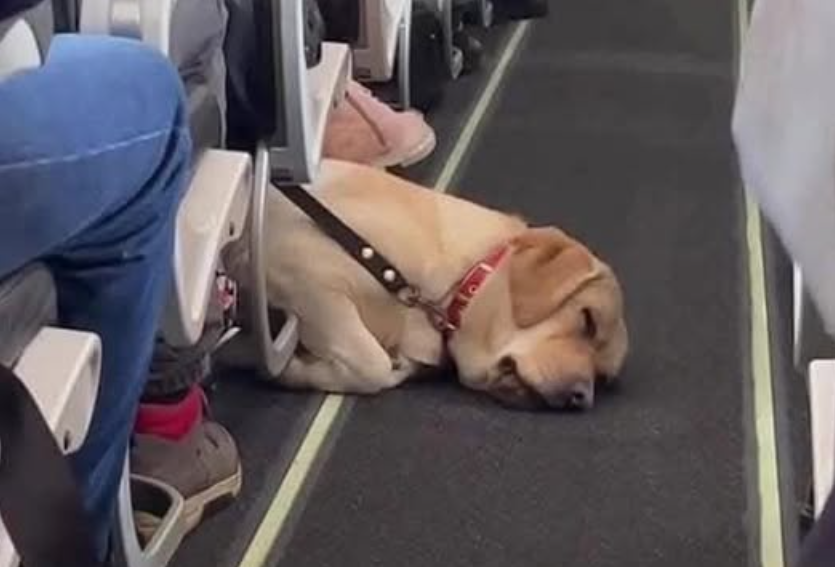
2026 marks a turning point in pet travel. For the first time ever, pets are no longer being treated as luggage—they're being recognized as family members who deserve genuine care and dignity. The data proves it: 27% of pet owners in the UK and US traveled with their pets for the first time in 2025, and the global pet industry is projected to reach $500 billion by 2030.
This shift isn't accidental. Airlines, hotels, rail systems, and travel platforms are all innovating rapidly. The question for you isn't "Can I travel with my pet?" anymore—it's "Which pet-friendly option suits my journey best?" Here's what's changed in 2026.
1. Major Airline Changes: Dogs Now Fly in Cabin

The biggest news of 2025-2026 is the expansion of in-cabin pet travel.
🇮🇹 Italy's Game-Changing Rule (May 2025)
Italy's National Civil Aviation Authority (ENAC) now allows medium and large-sized dogs to travel in passenger cabins, not just small breeds. This breaks the outdated "tiny pets only" model and opens the door for real family travel.
✈️ New Pet-Only Airlines Launching
- SkyePets: Long-haul transpacific in-cabin pet flights between Australia and the US launching in 2026
- RetrievAir & K9: Specialized pet air services expanding across the US
- Virgin Australia: Launched "pets in cabin" service in 2025, responding directly to passenger demand
🎯 American Airlines Updated Policy (2024, extended into 2026)
Pet carriers no longer count as an additional bag—meaning you have more flexibility packing for your trip.
💡 What This Means for You: Your dog or cat can now sit next to you on flights, not crammed in cargo. For anxious pets, this is transformative. You can see your pet throughout the flight, they're in a temperature-controlled cabin, and they experience less stress.
2. Regulatory Breakthroughs Across Europe & Asia
🚄 China Railway: High-Speed Pet Trains
China Railway Express piloted pet-friendly high-speed trains between Beijing and Shanghai, with plans to expand nationwide. This is the first time China's 300+ km/h rail system has allowed pets. If you're planning Asia travel, train travel just became pet-viable.
🇬🇧 UK Pet Passports Return
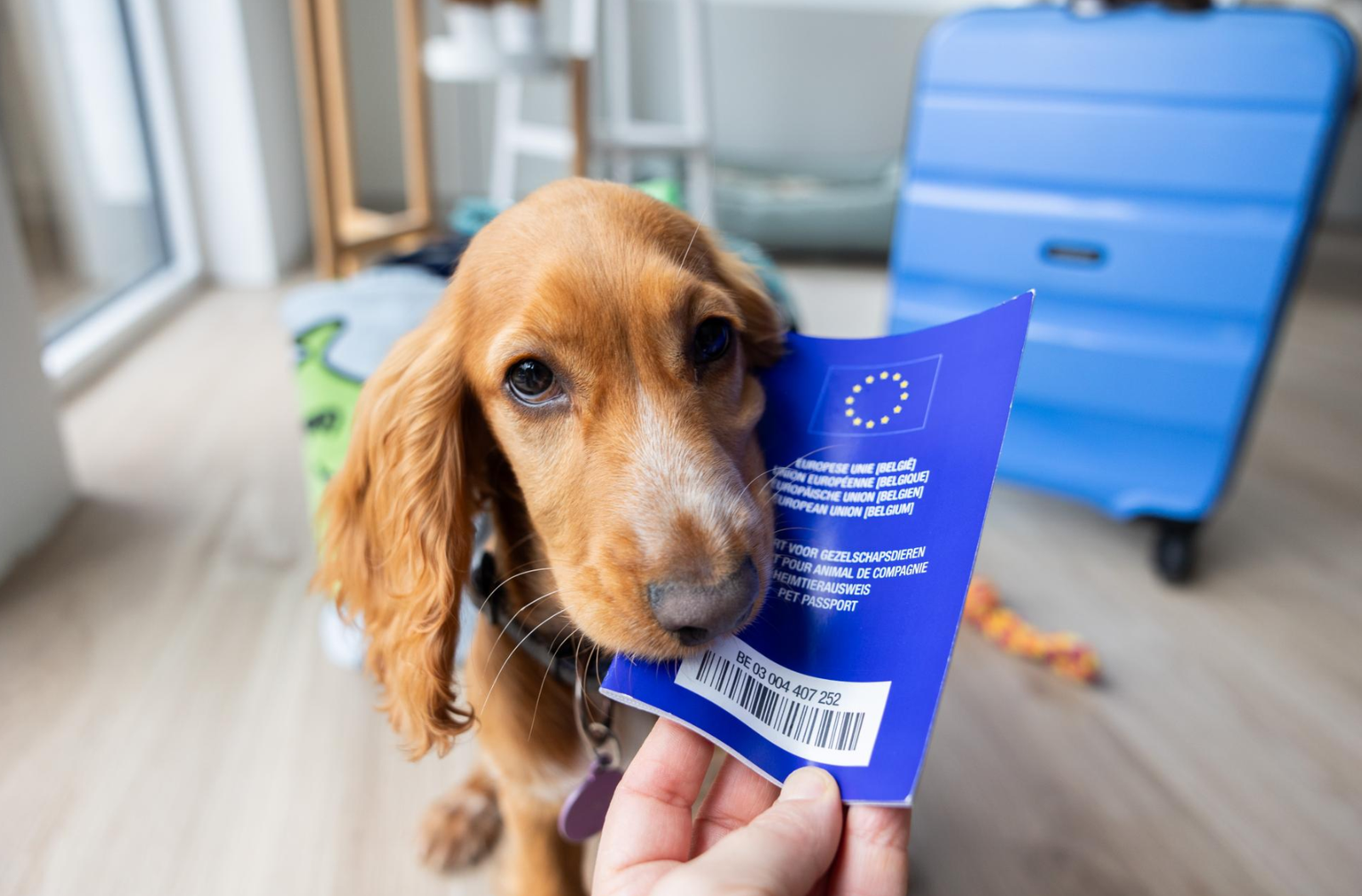
The UK is replacing expensive single-use animal health certificates with pet passports—the same system used before Brexit. This cuts costs and reduces bureaucracy for British pet owners traveling to the EU.
🇪🇺 EU Rules Tightening (Know This)
⚠️ The EU recently classified pets as baggage, which limits airline liability if something goes wrong. This means pet travel to EU destinations requires more documentation, but standards are also clearer.
💡 What This Means for You: If you're traveling from Europe (Romania, UK, Italy, Spain), regulations are becoming more consistent but also stricter. Get ahead by understanding the requirements before you book.
3. New Pet-Friendly Destinations Emerging

🇦🇺 SkyPets' Launch (Australia-US Route)
For the first time, Australia—notoriously strict on pet imports—is allowing in-cabin pet flights. If you've wanted to take your pet to Australia but thought it was impossible, 2026 changes that.
🇲🇽 Mexico City Rising as Dog-Friendly Hub
Mexico City is becoming a top dog travel destination with massive parks, dog-friendly cafés, and even boat rides where pets are welcome.
🦮 Dog Parks Everywhere
Destinations like San Diego, Austin, Portland (Oregon), Denver, and Las Vegas are expanding off-leash dog parks and pet-friendly spaces specifically designed for traveling pets.
💡 What This Means for You: Your destination isn't just about human attractions anymore. Check if your destination has dog parks, pet-friendly restaurants, and pet relief areas. These change where you travel.
4. New Technology for Pet Travel Anxiety

The biggest barrier to pet travel? 42% of owners say it's too stressful for their pet.
2026 is solving this with:
- AI Pet Feeders: Recognize individual pets, track eating habits, auto-clean using UV light
- AI Collars: Monitor pet biometrics, provide 24/7 global veterinary telehealth, alert you to health issues in real-time
- Smart Pet Tracking: GPS + health monitoring combined
These aren't luxury items anymore—they're becoming standard for peace-of-mind travel.
💡 What This Means for You: If your pet gets anxious flying or staying in new places, AI collars and remote vet access mean you can monitor them 24/7. Your pet gets real-time care; you get peace of mind.
5. Documentation Changes You MUST Know for 2026
Rules are evolving fast. Here's what changed:
⚠️ Emotional Support Animals (ESA) = No Special Privileges
Since 2020, ESAs no longer fly free or sit at your feet. They're now treated as regular pets with standard fees and size restrictions. If you flew with an ESA before, 2026 is different.
🇪🇺 EU Requirements (Strict)
- Pet passport OR EU animal health certificate (issued within 10 days of travel)
- Microchip (mandatory)
- Rabies vaccination (required, with documentation)
- Travel within 5 days of owner (if pet travels separately)
- Maximum 5 pets per person (unless competing or at shows)
🇺🇸 US Requirements (Slightly Looser)
- Health certificate (within 10 days of travel)
- Current rabies vaccination
- Pet at least 8 weeks old
- CDC Dog Import Form if entering from certain countries
🇬🇧 UK Rules (Post-Brexit Complexity)
- Pet passport (new rules as of 2025)
- Health certificate if from non-EU country
- Microchip + rabies vaccination
- 4-month validity certificate
💡 What This Means for You: Start pet travel prep 30 days before your trip, not 7. Documentation is becoming MORE important, not less. Get your vet to prepare everything upfront.
6. Cost Reality for 2026
💰 Airline Fees
- Most major airlines: $100-$150 per flight for in-cabin pets
- Private pet airlines: $300-$1,000+ for specialized service
- Cargo pet travel: $500-$2,000+ depending on distance and size
Supporting Services
- Pet health certificate: $50-$100
- Microchip: $25-$50
- Travel insurance for pets: $50-$200 for trip coverage
- AI pet collar: $200-$500 (one-time)
💡 What This Means for You: Budget $200-$300 minimum per pet per trip, not including the AI tech. Specialized pet airlines cost more but reduce stress.
7. What Pet Owners Should Prepare for 2026

✅ Checklist Before Booking
- Get your pet microchipped (mandatory almost everywhere now)
- Update rabies vaccination (get new certificate from vet)
- Schedule vet health check (airlines require fitness certificate)
- Check airline pet policies (they change frequently)
- Confirm destination pet import rules (different for every country)
- Book pet seat/carrier (in-cabin spots fill fast)
- Consider AI collar (optional but reduces travel stress)
- Research pet-friendly accommodation (not all hotels mean it the same way)
The Bottom Line: 2026 is the Year Pet Travel Went Mainstream
Your pet no longer has to stay home. The infrastructure, regulations, and technology are finally aligning. New airlines are launching. New destinations are opening. New tools are reducing stress.
The barriers to pet travel weren't your fault—they were the industry's. 2026 changes that.
Your next question: Where will you take your pet first?
Ready to Travel with Your Pet in 2026?
Use our Pet-Friendly Flight Finder to search flights optimized for your furry companion.
🔍 Search Pet-Friendly Flights